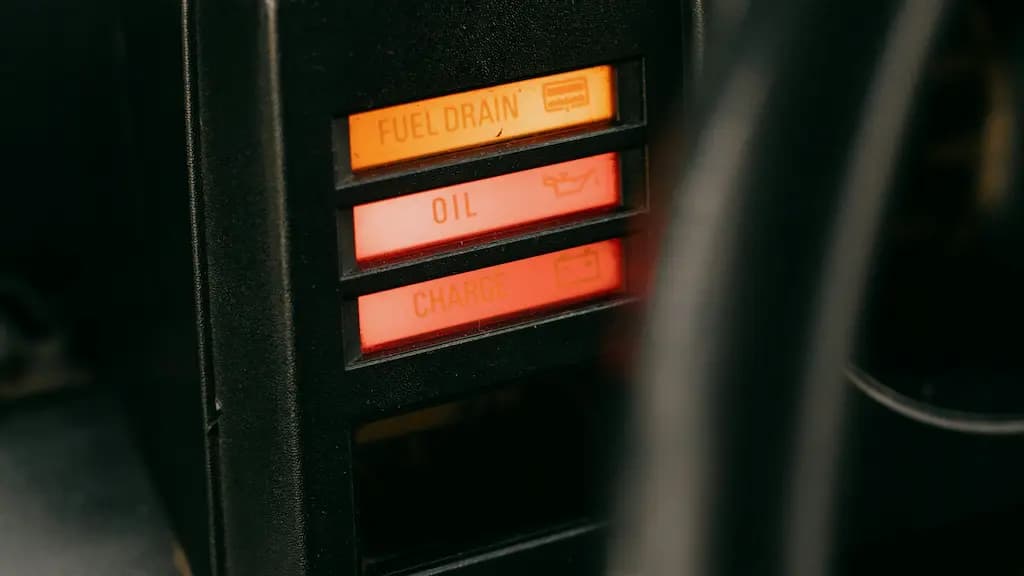
When the red oil pressure warning light turns on, your engine is potentially seconds away from serious damage. This is not a “finish the trip” light. It is a stop now warning. In U.S. dashboards, a solid red symbol almost always means you should stop the vehicle as soon as it is safe.
This guide explains what the oil pressure light really means, the most common causes, how serious the situation is, and the safest actions to take. If you want to understand other symbols on your dash, check our full dashboard warning lights guide with all common symbols explained.
Quick Summary (PRO)
- Symbol: Red “oil can” symbol, often with a drip or the word “OIL.”
- Meaning: The engine’s oil pressure is dangerously low, or the system that monitors oil pressure has detected a fault.
- How serious? One of the most critical warnings on the dashboard. Driving with low oil pressure can destroy an engine in minutes or even seconds.
- First response: As soon as you can safely do it, pull over, shut off the engine, and do not rev the engine.
- Low oil level vs low oil pressure: Low oil level can cause low pressure, but you can also have low pressure with a normal oil level (for example, failed oil pump or worn bearings).
- Flickering light: Flicker at idle or when cornering often means borderline pressure or oil pickup issues—still not safe to ignore.
- Adding oil: Topping up may protect the engine briefly if the level is clearly low, but it does not fix root causes like a bad pump, clogged passages, or worn bearings.
- Safe to drive? In most cases: No. If the light stays on with the engine running, the safest option is to shut it off and have the vehicle towed.
What the oil pressure warning light means
The oil pressure warning light is usually a red symbol shaped like a classic oil can. In modern vehicles, this symbol is tied to a pressure sensor or switch in the engine’s lubrication system. When the system detects that oil pressure has dropped below a safe threshold, it triggers the warning.
Why this red symbol indicates a critical engine risk
The engine relies on pressurized oil to create a thin film between moving parts—crankshaft journals, connecting rod bearings, camshaft lobes, and more. Without that pressurized oil, metal starts rubbing directly against metal.
That’s why the oil pressure light is considered a critical red warning rather than a simple reminder like a low washer fluid light. When it turns on while the engine is running, it usually means:
- The oil pump is not building enough pressure, or
- Oil is not reaching key components through the passages and galleries, or
- The monitoring system is detecting a fault that it interprets as unsafe.
In practical terms, this light is telling you: “Your engine may no longer be lubricated properly. Continued driving can cause severe damage.”
Difference between low oil level and low oil pressure
It is easy to confuse low oil level with low oil pressure, but they are not the same:
- Low oil level: There is not enough oil in the engine. If the level gets too low, the oil pump can suck air instead of oil, causing a drop in pressure.
- Low oil pressure: The pump is not maintaining sufficient pressure in the lubrication system. This can happen even when the oil level is technically “full.”
So yes, low oil level can cause low pressure, but you can also have low pressure because of:
- A failing or worn-out oil pump
- Internal leaks inside the engine (worn bearings, blown seals)
- Clogged oil passages or a severely restricted oil filter
- Oil that is too thin (wrong viscosity or overheated/aged oil)
That’s why simply adding oil does not automatically make the warning safe to ignore. The underlying cause still needs to be identified and addressed.
The role of the oil pump, passages, and bearings
The lubrication system is more than just a reservoir of oil:
- Oil pump: Draws oil from the pan through the pickup and pushes it under pressure into the engine’s oil galleries.
- Oil passages (galleries): Internal channels that distribute oil to bearings, camshafts, lifters, and other components.
- Bearings (main and rod bearings): Precision surfaces that rely on a pressurized oil film to keep the crankshaft from directly touching the bearing material.
If the pump cannot build pressure or if passages are blocked, bearings may starve of oil. Once that protective film is gone, friction and heat climb rapidly, leading to wear, scoring, and eventually seizure.
How serious is the oil pressure light?
Why engine lubrication failures escalate in seconds
Engines spin thousands of times per minute. In that time, bearings and other moving parts rely on a constant supply of pressurized oil. When pressure drops:
- The oil film thins or disappears.
- Metal surfaces start to contact each other.
- Heat builds up incredibly fast.
This process can escalate in just a few seconds at highway speeds. That is why the recommended reaction is not “monitor it later,” but rather “shut down as soon as it is safe.”
Typical damage if the engine keeps running
If you continue driving with the oil pressure warning light on, potential damage includes:
- Camshaft and valve train wear: Lobes and followers can score and wear quickly without lubrication.
- Main and rod bearing damage: These bearings can overheat, smear, or spin, leading to loss of oil clearance and catastrophic failure.
- Crankshaft damage: Once bearings are damaged, the crankshaft journals can become scored or warped.
- Overheating and seizure: Lack of oil increases friction and heat; the engine can overheat and eventually seize, often requiring a full replacement.
Even brief operation with very low pressure can shorten engine life, even if it seems to “recover” afterward.
When you must stop immediately (U.S. red-light convention)
In U.S. vehicles, the general rule is:
- Red warning lights: Indicate an urgent or safety-critical problem. You should stop the vehicle as soon as you can safely do so.
- Amber/yellow lights: Indicate something needs attention soon, but it’s usually not a pull-over-right-now emergency.
The oil pressure warning is almost always a red light, like the brake warning or engine temperature warning. Treat it with the same urgency as you would a red engine temperature warning light or a critical red dashboard light that signals you must stop.
Common causes of the oil pressure warning light
Low oil level
Low oil level is one of the most common reasons the oil pressure warning light turns on. Possible reasons include:
- External oil leaks (gaskets, seals, oil pan, filter, cooler lines)
- Burning oil due to worn piston rings or valve seals
- Extended oil change intervals leading to increased consumption
When the level drops enough, the oil pump pickup can start to draw in air, especially on hills, during cornering, or under hard acceleration. This causes pressure to drop and may trigger the warning light.
Failing or weak oil pump
Over time, an oil pump can wear out or suffer damage from debris. When internal clearances grow too large, the pump cannot build adequate pressure, particularly at idle or when the oil is hot and thin. A failing oil pump is a serious mechanical problem that can result in chronic low oil pressure even with the correct amount of oil in the engine.
Clogged oil filter or blocked oil passages
A severely clogged oil filter can restrict flow and reduce pressure. Most modern filters have a bypass valve, but if that valve sticks or passages in the engine become restricted by sludge or varnish, critical areas may receive less oil. Causes can include:
- Not changing oil and filter at recommended intervals
- Severe sludge buildup from neglected maintenance
- Contaminants circulating in the lubrication system
Faulty oil pressure sensor or wiring
The oil pressure system is monitored by a sensor or switch, which sends a signal to the instrument cluster or engine control unit (ECU). A faulty sensor, damaged wiring, or poor connection can make the light turn on even when actual oil pressure is normal.
However, because the risk of real low pressure is so serious, the safe assumption when the light comes on is to treat it as real until it is checked. The check engine light may also appear if the ECU logs an oil pressure-related fault.
Wrong oil viscosity or degraded oil
Engine oil is designed to have a specific viscosity range. If oil is too thin for the engine’s design or operating conditions, it may not maintain proper pressure, especially when hot. Problems include:
- Using a viscosity grade not recommended by the manufacturer
- Oil that has broken down from excessive heat or extended change intervals
- Fuel dilution or contamination thinning the oil
Thin or degraded oil flows too easily through clearances and may not build enough pressure at low RPM or high temperature.
Excessive engine wear (bearings, seals)
High-mileage engines can develop wear in main and rod bearings and other internal components. As clearances increase, oil escapes more easily, and the pump has to work harder to maintain pressure. Symptoms of worn bearings often include:
- Low oil pressure at idle when hot
- Knocking or ticking noises from the bottom end
- Metal particles found in oil during changes
Internal wear can also lead to increased oil consumption and leaks, further aggravating pressure issues.
Why the oil pressure light may flicker
Flicker at idle
A light that flickers at idle but goes out when you rev the engine is a common pattern with borderline oil pressure. Possible causes include:
- Worn oil pump that can’t maintain pressure at low RPM
- Excessively worn bearings allowing pressure to drop
- Oil that is too thin, especially when fully warmed up
Even if the flicker disappears when you raise RPM slightly, it is still a sign that the lubrication system is operating on the edge of safe pressure, particularly when hot.
Flicker during cornering or acceleration
If the light flickers when cornering, braking, or accelerating, it may indicate that the oil in the pan is sloshing away from the pickup. Causes include:
- Oil level significantly below the minimum mark
- Damaged or improperly installed oil pickup or baffle
- Severe oil foaming or aeration
This situation can be especially dangerous at highway speeds or during sustained high-speed driving, where any interruptions in supply can lead to rapid wear.
Hot oil thinning and pressure loss
Oil pressure normally drops as the engine warms up, because hot oil becomes thinner. However, if pressure drops so low that the warning light flickers or comes on when hot, it may point to:
- Oil that is too low in viscosity for the climate or engine
- Severely aged or thermal-damaged oil
- Worn pump or internal clearances that are only marginally acceptable when cold
On very cold starts, the opposite happens: oil is thicker and may take a moment to circulate fully. Some vehicles may briefly show the oil symbol during the first second or two of cranking. However, a light that stays on after a cold start, comes back on shortly after driving away, or appears repeatedly on cold mornings is not normal winter behavior and should be inspected rather than ignored.
What to do when the oil pressure light turns on
Immediate steps to protect the engine (non-repair)
If the oil pressure warning comes on while driving:
- Do not ignore it.
- As soon as it is safe, pull over to a safe location.
- Turn off the engine. Avoid revving it to “test” anything.
- Allow the engine to sit briefly so oil can drain back into the pan.
From there, many drivers will check the oil level using the dipstick, but any further diagnosis or repair should be handled by a qualified professional. The key is to avoid running the engine until the cause is known.
When adding oil may help — and when it won’t
If the dipstick shows that the oil level is very low or not registering at all, adding the correct type of oil may be necessary to protect the engine. However:
- If the warning remains after topping up to the correct level, do not keep driving.
- If the level was normal to begin with, adding more oil will not correct issues such as a failing pump, blocked passages, or worn bearings.
- Overfilling the engine can cause additional problems, such as foaming or increased crankcase pressure.
Think of adding oil as a short-term safety step when the level is clearly low—not as a guaranteed solution to the problem that triggered the light or a reason to skip towing.
When the vehicle should be towed
In most situations, if the oil pressure light stays on with the engine running after you have checked that there is enough oil, the safest choice is to have the vehicle towed to a repair facility. Towing is especially advisable when:
- The light stays on steadily at idle and while driving.
- The engine is making new or loud ticking, knocking, or grinding noises.
- The light came on at highway speed or under hard acceleration.
- Any other critical warning, such as a brake warning light or engine temperature light, is on at the same time.
Warning signs that the engine should not be restarted
Do not attempt to restart the engine if you notice:
- Strong metallic knocking or deep thudding from the engine before it shut off
- Smoke from under the hood or from the exhaust that started at the same time as the warning
- Burning smell combined with a visible oil leak puddling under the vehicle
- The engine stalled immediately after the light came on
In these cases, repeatedly attempting to start the engine can cause further damage. The safest step is to leave the engine off and have the vehicle inspected by a professional.
Related symptoms that help diagnose the cause
Metallic ticking or knocking
Noise is a powerful clue with oil pressure problems:
- Light ticking or tapping may indicate valve train components or hydraulic lifters are not receiving enough oil.
- Deeper knocking noises from the lower part of the engine often point to rod or main bearing issues, which are very serious.
Any new noise that appears with the oil pressure warning light on is a strong sign that the problem is more than just a faulty sensor.
Burning oil smell or external leaks
If you smell burning oil or see obvious leaks on the ground or on the engine, the oil pressure warning may be related to a rapid loss of oil. Common leak sources include valve cover gaskets, oil filters, drain plugs, and rear main seals. A visible leak plus a warning light is a strong indicator that the engine should not be driven until repaired.
Overheating along with oil pressure warning
Oil not only lubricates, it also helps carry heat away from engine components. When oil pressure is low, engines are more likely to overheat. If the oil pressure warning appears at the same time as the engine temperature warning light, the risk of major damage is extremely high. Stop as soon as it is safe, and do not continue to drive.
Check engine light appearing simultaneously
A check engine light appearing along with the oil pressure warning may mean the ECU has detected a related fault, such as:
- Oil pressure sensor circuit problems
- Low oil pressure detected by the control module
- Timing or variable valve timing (VVT) faults caused by oil issues
While some of these can be sensor-related, the check engine light plus a red oil pressure warning should always be treated as urgent.
Why the oil pressure warning light might appear after service
Incorrect oil viscosity
After an oil change, the warning light can sometimes appear because the wrong viscosity grade was used. If the oil is significantly thinner than recommended, pressure may be marginal, especially when hot. Even if the brand is high quality, using a viscosity outside the manufacturer’s specification can trigger pressure alarms.
Improperly seated oil filter
If the oil filter is not properly seated or the gasket is damaged or double-stacked, it can lead to leaks, poor sealing, or bypass issues. In severe cases, this can cause low oil pressure or loss of oil. This is one reason the light may appear soon after service if something was not installed correctly.
Sensor or connector disturbed during service
During routine maintenance, it is possible for the oil pressure sensor or its wiring to be bumped, unplugged, or damaged. This can cause intermittent or permanent warnings even if actual oil pressure is normal. Again, it must be treated seriously until a technician confirms that the readings are accurate.
FAQs
What does the oil pressure warning light mean?
It means the engine’s lubrication system has detected dangerously low oil pressure or a fault in the pressure monitoring system. Because low oil pressure can cause rapid engine damage, this red light is considered a critical warning.
Is it safe to drive with the oil pressure light on?
Generally, no. Driving with the oil pressure light on can quickly damage the engine. The safest action is to pull over as soon as you safely can, shut off the engine, and arrange for the vehicle to be inspected. In many cases, towing is the safest choice.
Can low oil level cause the oil pressure light to come on?
Yes. If the oil level is low enough, the pump can draw air instead of oil, causing pressure to drop and triggering the warning. However, you can also have low oil pressure with a normal oil level, so the light should never be ignored even if the dipstick looks okay.
Why does the oil pressure light flicker at idle?
A flicker at idle often means oil pressure is borderline when the engine is hot and turning slowly. Common causes include worn bearings, a weak oil pump, or oil that is too thin or degraded. Even if the light goes off when you rev the engine, the issue should be checked.
Can the oil pressure light be caused by a bad sensor?
Yes, a faulty oil pressure sensor or wiring can trigger the light even when pressure is normal. However, because the risk of real low pressure is so serious, you should treat the warning as genuine until a professional verifies the sensor and system.
What happens if you ignore the oil pressure warning light?
Ignoring the warning can lead to accelerated engine wear, bearing damage, camshaft and valve train failure, overheating, and ultimately engine seizure. In many cases, the repair cost of a damaged engine far exceeds the cost of diagnosing the warning promptly.
Will adding oil turn off the oil pressure warning light?
Adding oil may turn off the light if the problem was simply a very low oil level. But if the light stays on after the level is corrected, or if it returns soon after, there may be a deeper issue such as a failing pump, clogged passages, or internal wear. Do not rely on adding oil as a complete fix.
Can the oil pump cause the oil pressure warning?
Yes. A worn or damaged oil pump can fail to build enough pressure, especially at idle or when the oil is hot. This is a serious mechanical problem that requires professional diagnosis and repair.
Why does the oil pressure light come on after an oil change?
Possible reasons include the wrong viscosity oil being used, an improperly installed oil filter, or a disturbed oil pressure sensor or connector. In rare cases, internal issues may coincidentally surface after service. In all cases, the warning should be taken seriously.
What should I do immediately when the oil pressure light turns on?
Reduce engine load, signal and move to a safe place off the road, and shut off the engine. Do not rev the engine to “see if it goes away.” Once safely stopped with the engine off, you can check the oil level, but the vehicle should not be driven again until the cause is identified.
Comparison Table: Low oil level vs low oil pressure
| Aspect | Low oil level | Low oil pressure |
|---|---|---|
| What it is | Too little oil in the engine | Oil not being maintained at safe pressure |
| How you check it | Dipstick shows below “MIN” or no oil | Usually requires a pressure gauge and professional diagnosis |
| Can it trigger the oil pressure light? | Yes, especially on hills, corners, or under hard acceleration | Yes, this is what the light is designed to detect |
| Typical causes | Leaks, burning oil, long intervals between changes | Failing pump, worn bearings, clogged passages or filter, wrong viscosity |
| Will adding oil fix it? | Often restores the correct level, but does not address leaks or consumption | May not change anything if the underlying problem is mechanical or internal |
| Risk level | High if the level is very low; can quickly lead to low pressure | Very high; can cause engine damage in seconds if ignored |
Related dashboard warnings
The oil pressure light is one of several red warnings that demand immediate attention. Understanding them together can help you react correctly:
- Overview of red dashboard lights that mean you must stop – explains which symbols are urgent, including oil pressure, temperature, and braking system lights.
- Engine temperature warning light – often appears together with oil pressure issues when the engine overheats.
- Check engine light explanations – covers how engine management and oil pressure-related faults can trigger this warning.
- Inspection fail and readiness lights – useful if the vehicle has stored faults after an oil-pressure-related event.
For broader safety information about responding to critical vehicle warnings, you can also review official guidance such as the NHTSA vehicle safety resources.